Dogs are omnivores
Fats, proteins, carbohydrates.
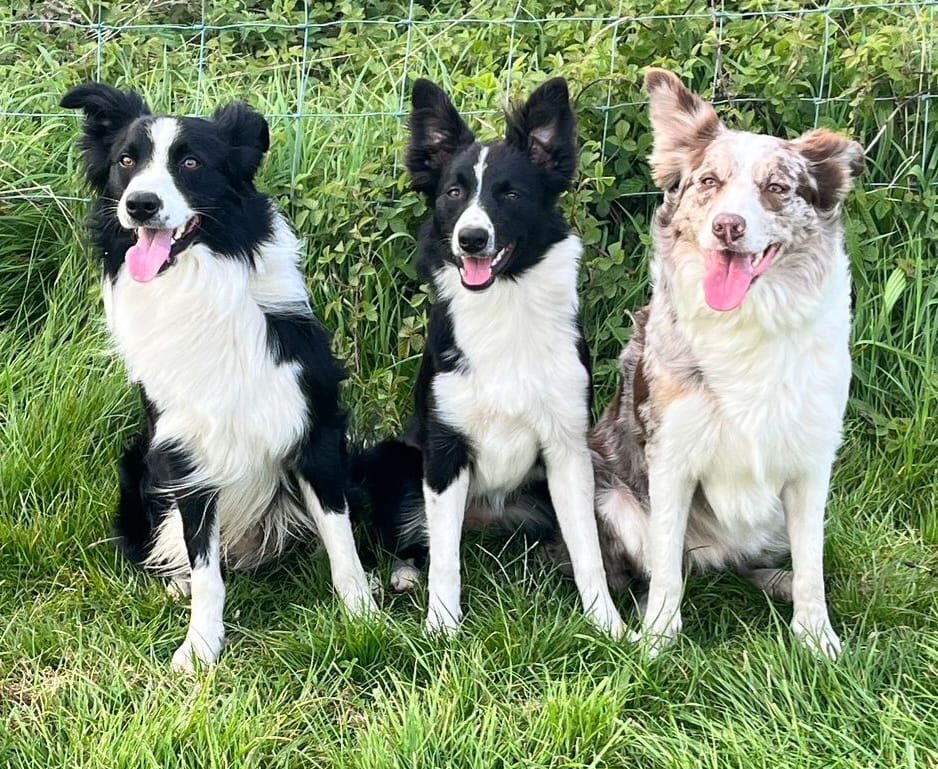
Dogs are omnivores, which means that their diet should consist of foods of both animal and plant origin. Dogs can detect sweet substances such as ripe fruit, which allows plant material intake.
As with human nutrition, certain types of substances in the diet assist the body in different ways. These include vitamins, minerals, fibre and water. Fats, proteins and carbohydrates are needed for maintenance and energy expansion.
The three macronutrients
Fats are essential in the structure of cells and are the most concentrated form of energy. They provide more than twice the energy of proteins or carbohydrates. Fat provides insulation, and some fatty acids play a vital role in healing inflammation. They also help in the utilisation of fat-soluble vitamins.
Proteins are made up from 23 different amino acids. Thirteen of these the dog can manufacture himself, but the other 10 must come from diet. Known as essential amino acids, they provide the building blocks for many important biologically active compounds and proteins. In addition, they donate the carbon chains needed to make glucose for energy. Proteins are needed for cell repair following exercise or injury.
Carbohydrates supply energy to the tissues and play a strong role in the function of the intestine. There are many debates over the inclusion of high levels of carbohydrates in commercial diets. Usually around 30–70% of the diet is carbohydrate, but in the wild, dogs would only take up around 10–30% from berries and the intestinal contents of prey. High levels of proteins and fats are expensive to include in dog diets but carbohydrates are cheap, so these make up the bulk of cheaper commercial diets. Dogs are able to convert both high levels of proteins and carbohydrates into energy.
The numbers
The recommended levels of fats, proteins and calories varies through publications but generally reads as 1–1.5g of fat per kg of dog weight, between 18–21% protein and around 1260–1890 calories per day for an adult dog. The calorific intake ranges from house to working dog. For example, a 20kg pet dog's need may read as 20g fat, 18% protein and 1400 calories. These figures are compiled from information from AAFCO (the Association of American Feed Control Officers).
Energy expended must be in relation to food consumed for the dog to maintain a suitable weight. These levels must also consider nutrition value of the food, amount of food, and treats/supplements added. By feeding higher levels of nutritional substances, the balance of the dog's metabolic rate is disturbed and weight can be affected.
Obesity — what actually causes it
There are many factors which can affect the body weight and condition of a dog. Generally obesity occurs when an animal's energy needs are exceeded by food intake and the extra glucose created by the digestion of the carbohydrates is stored as fat. An excess of carbohydrates, fats, or proteins can all lead to obesity, but carbohydrates are often the most common energy source and are easily converted to glucose.
Exercise levels of dogs varies a great deal among owners but even a "garden dog" will maintain a correct weight on suitable food.
The feeding routine of domesticated dogs can be different in each household and can vary from the owner feeding a measured amount of nutritional food twice a day, to the owner leaving out random amounts of high fat, prettily coloured, supermarket feed with handfuls of processed treats at every opportunity. Treats can play a major part in obesity — processed treats are generally high in calories, and human foods such as cheese and chicken can be high in fat. Even feeding raw bones to dogs carries a risk of obesity due to the high fat levels of marrow.
Genetic factors can also play a role in the development of obesity, as some dogs seem more prone than others. Labradors, Beagles and Cocker Spaniels all seem to be more susceptible. Boxers, Greyhounds and some terriers seem less prone. Obesity becomes more common as the dog reaches around 7–8 years. Bitches are more prone than dogs, and neutered pets are more likely to become obese than intact pets. This is not due to altered energy levels as is generally thought — neutered dogs still have the same energy requirement, but hormonal changes often lead to an increased desire to feed.
Obesity places an abnormal strain on the cardiovascular, respiratory and digestive systems. Not to mention the added strain on joints, ligaments, tendons and muscles. This can result in soft tissue traumas and weakened, stretched ligaments which can aggravate cruciate disease and other joint problems.
How does food become energy?
In humans, energy for exercise comes mainly from carbohydrates; we utilise glycogen, which is a form of stored carbohydrate, in the muscle to meet energy needs. Although dogs do store a small amount of glycogen in their muscles, their primary source of nutritional energy comes from free fatty acids derived from fat. For example, a pound of stored carbohydrate or protein gives the dog 1500 kcal whereas a pound of stored fat will provide around 3500 kcal.
There are 3 primary ways in which dogs then convert this nutrition into energy: alactic anaerobiosis, lactic anaerobiosis and aerobiosis.
Alactic anaerobiosis is a conversion of carbs to energy and occurs in the muscle cells. This provides a short and small amount of energy that is noticed when the dog starts moving at speed — such as the start of a race, the first jump, or racing to the letterbox when the postman comes. The energy boost lasts for about 1–2 seconds.
Lactic anaerobiosis is when the energy is released through the metabolism of glucose in the body and results in a short burst of power and speed that can last up to 1–2 minutes. This is the method of energy production that we humans use; it lasts longer in us due to our bigger glucose storage. Dogs use this energy in the first few minutes of exercise, and it is used for short bursts of speed and movement.
Aerobiosis is the more usual form of energy production for long periods of exercise, and utilises free fatty acids which are in the blood stream. These acids diffuse into the muscles where the cells are carried by carnitine to the mitochondria to be converted into energy. The more FFA in the dog's blood, the more FFA cells enter the muscles, and the more energy is produced.
Taste — a small aside
Cats can differentiate between acid, sour and bitter but not a great deal of sweetness. A cat has around one-quarter of the taste buds of a dog. Dogs have around 1,700 taste buds compared to the 9,000 of a human. Cats find anything other than meat hard to digest, so their taste buds have evolved to react to certain chemicals found in flesh (nucleotides).
Dogs are classed as omnivores and therefore have a greater range of taste buds. As well as sweet, sour, bitter and salt, they also have receptors for meats, fats and meat-related chemicals. However, the salt receptors in the dog are not as highly tuned as in a human, due to the dog's main diet of meat which provides a high salt content — therefore the dog does not need to seek out more quantities of salty food.
What happens inside the dog
Exercise or activity starts on a cellular level within the dog.
A muscle is initiated to move by a nerve impulse from either the brain or spinal cord. This is either due to a reflex impulse or through voluntary action. The source of energy for the muscular contraction is Adenosine Triphosphate (ATP). When this is split into Adenosine Diphosphate (ADP) and Phosphoric acid, the energy becomes available.
For resynthesis of ATP from ADP, Creatine Phosphate (CP) is converted to Creatine and Phosphoric acid by using oxygen from the blood stream.
During more strenuous exercise, the volume of oxygen delivered in the blood stream is not enough to maintain the enzyme activity. This results in an oxygen debt, which leads to the dog starting to pant to try and maximise the intake of oxygen. If the dog continues to exercise at a high level, the body needs to act on this deficiency in order to provide the dog with enough energy to carry on.
The muscle tries to offset this debt by converting glycogen to lactic acid. The accumulation of this acid in the muscles can lead to the stiffness seen in fatigue. Excessive amounts of lactic acid can be classed as cramp.
After exercise, the acid is eliminated as CO₂ and water; it can also be converted back to glycogen by the liver. If this acid and waste remains in the tissue, it will cause damage, pain and stiffness.
About the author
Kate Clapperton is the founder of Rippletrix Border Collies in Sheffield. Kate is a Kennel Club Assured Breeder and Veterinary Physiotherapist producing dual KC and ISDS-registered working Border Collies alongside show-line KC-registered Border Collies. Kate teaches canine conditioning and orthopaedic recovery at her Sheffield yard.
Pieces along the same line
Want more like this in your inbox?
The GenoVaq journal publishes long-form pieces for breeders and buyers — welfare, health-testing, breeding decisions, marketplace mechanics. New writing every week or two.