Description
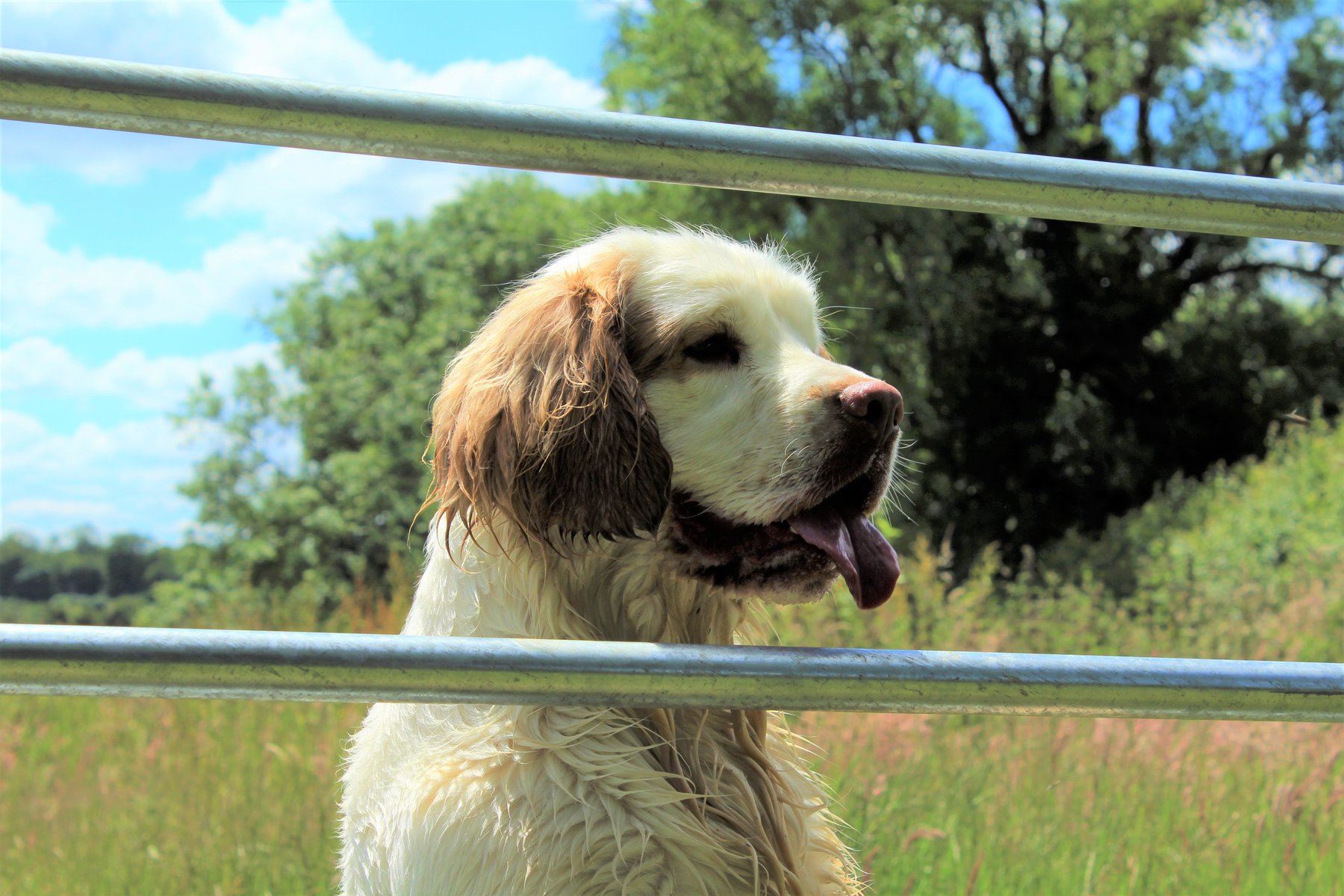
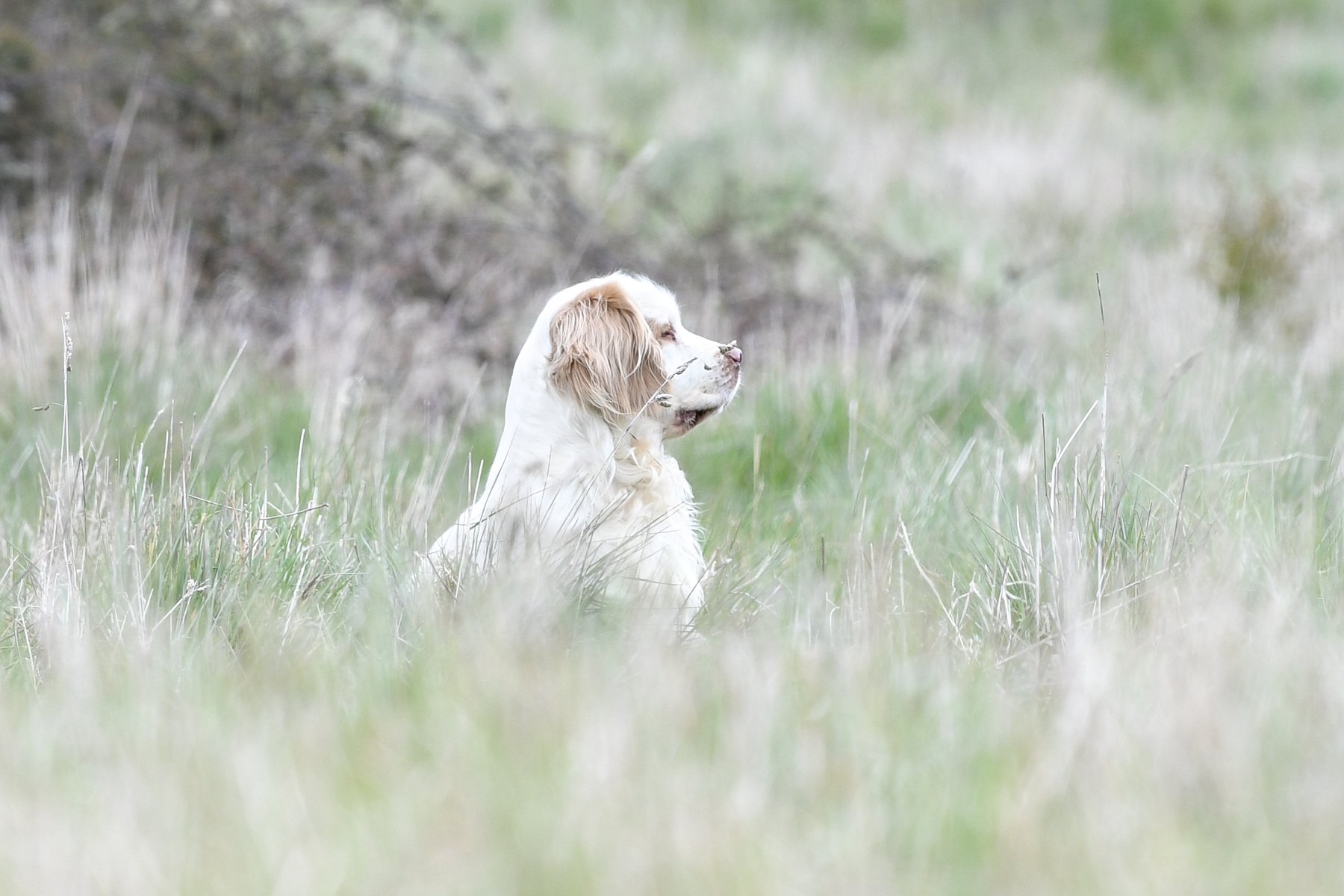
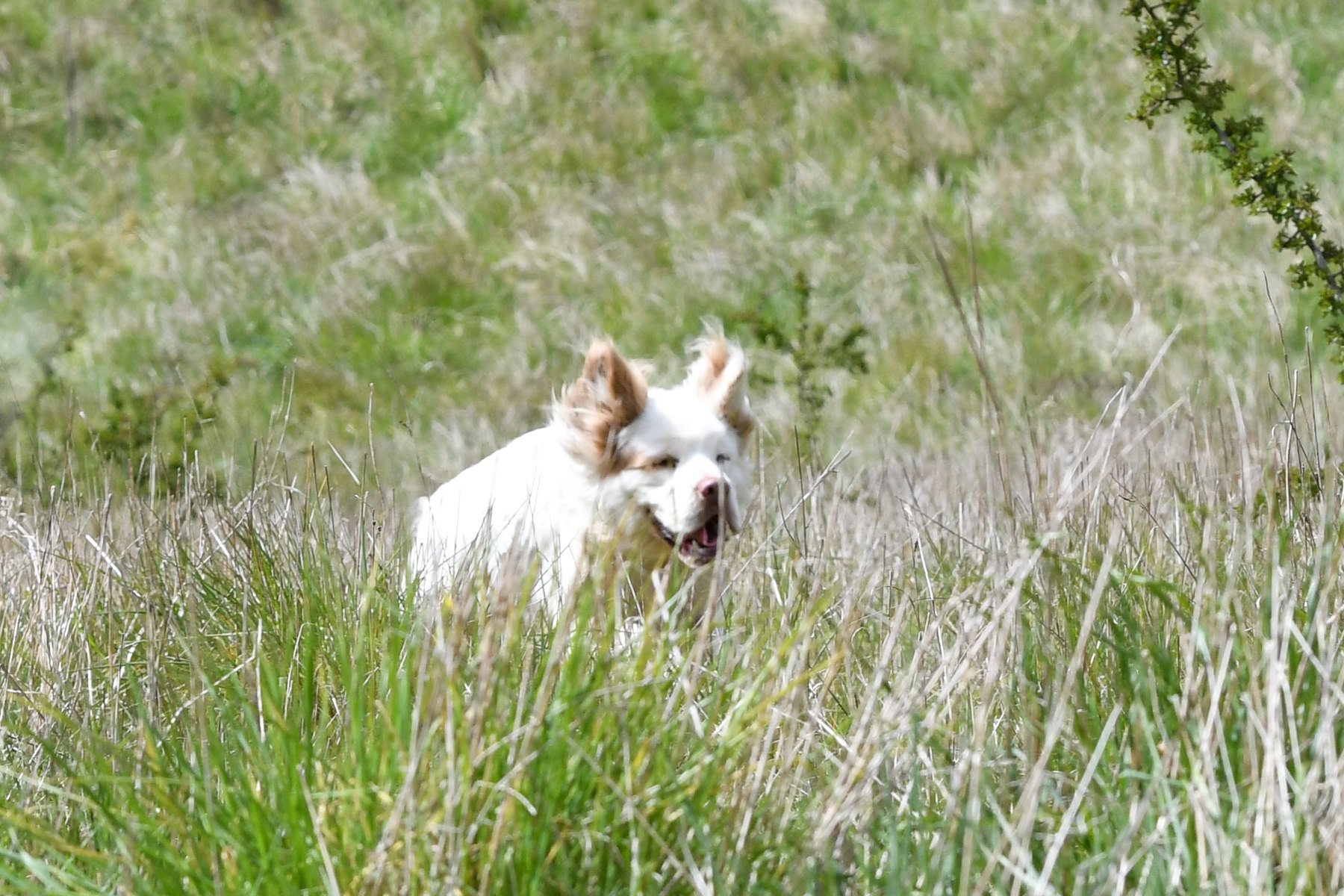
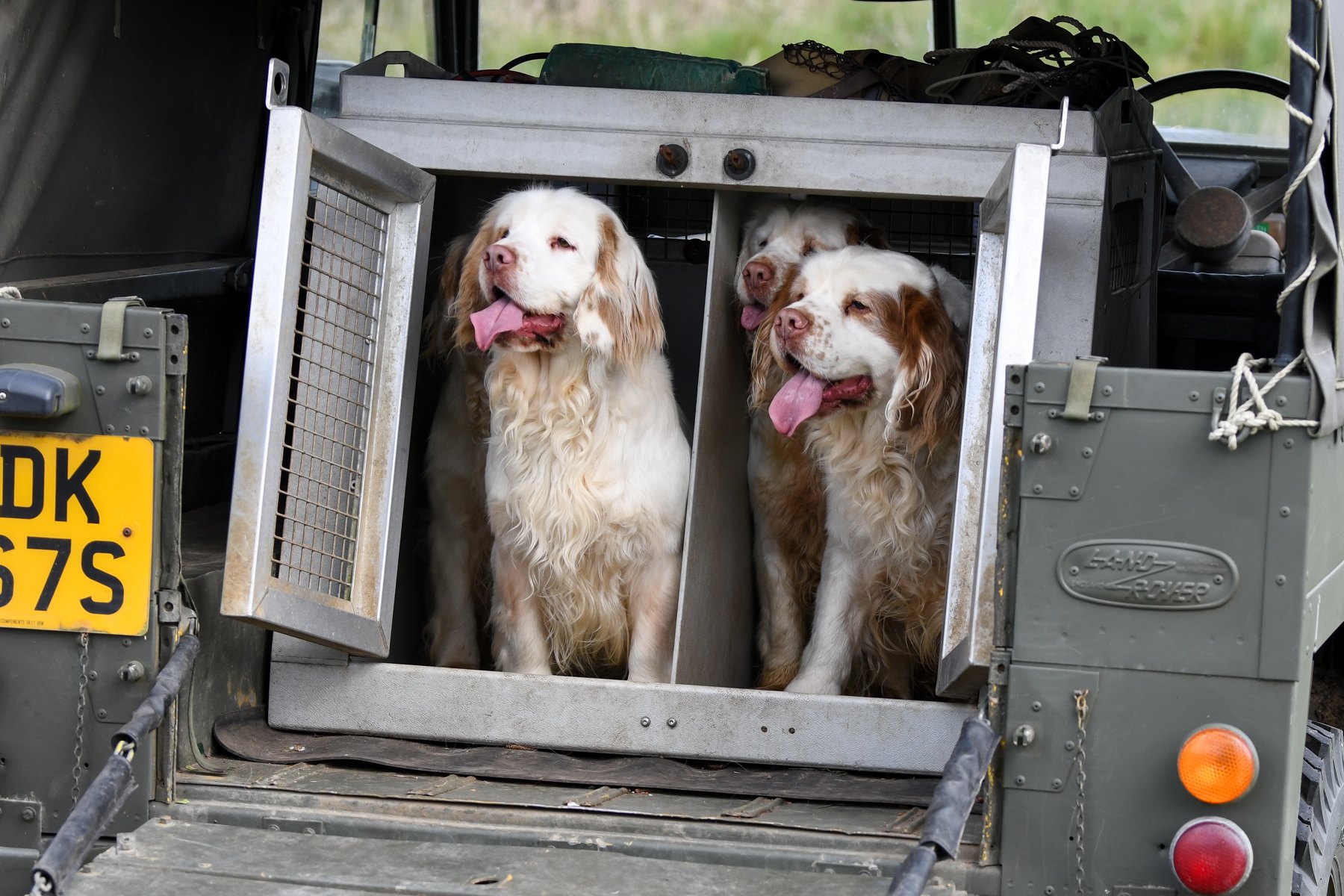
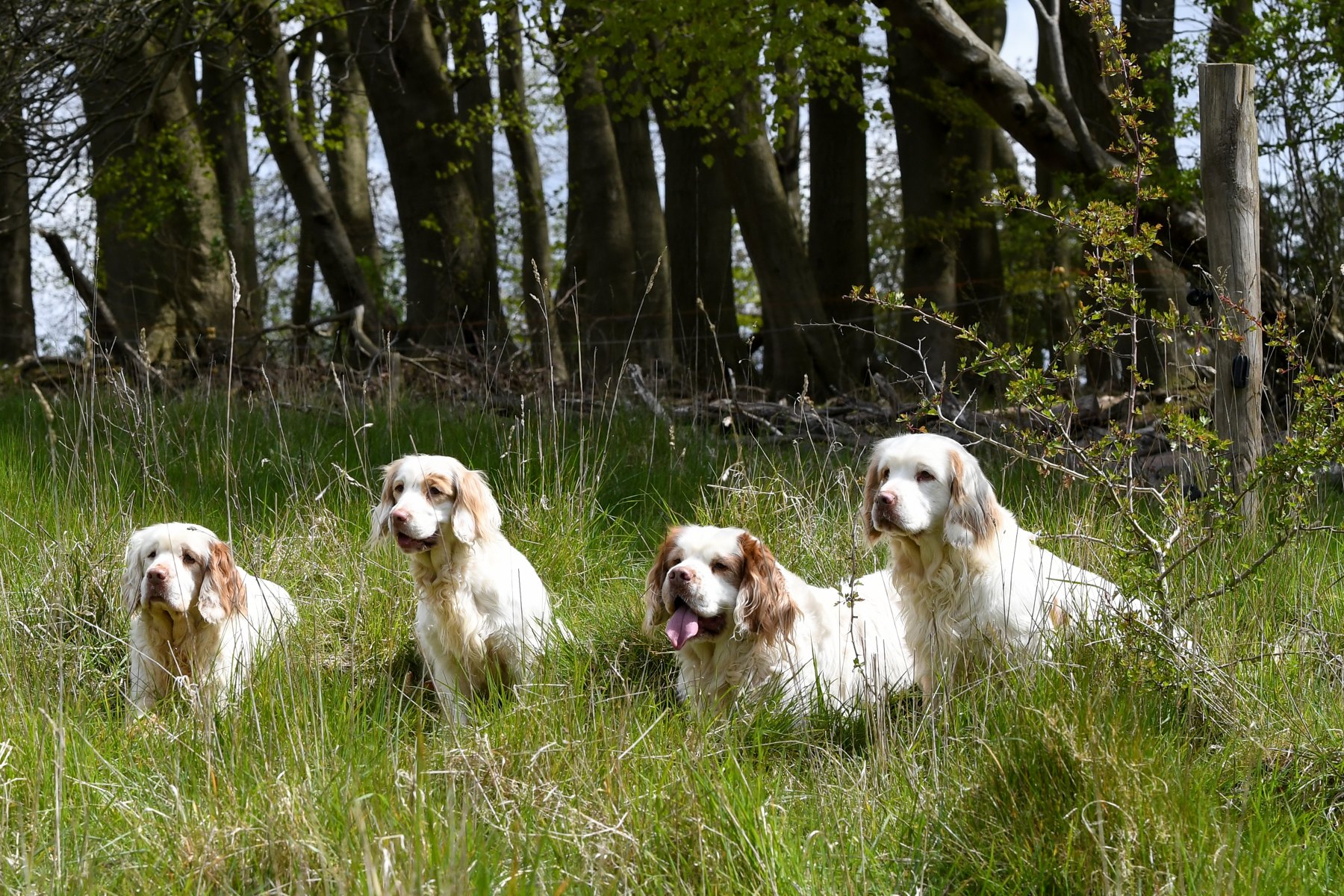
A work-bred Clumber Spaniel from the first litter in the breed's history to have both a sire and a dam who were Any Variety field trial award winners. Caesar stands at the Venaticus kennel in Buckinghamshire, which has held a line to working type without interruption since the mid-1970s, and which is the most successful exponent of the Clumber Spaniel in field trials in well over a century. He is proven at stud, with ten litters to date — including two in Germany and one by artificial insemination in Norway. He is available to overseas bitches only, either by natural mating in the United Kingdom or by AI. Photographs of Caesar at work, May 2021 — steady, hunting, with Russell after work, and in the group with Spot, Bindi and Russell — by Patrice Fellows, used with her permission. Head shot by his owner.
Lineage / pedigree
- Previous generationSireMidori Diamond Huddlestone
- "Rigg"
DamVenaticus Isabella- "Spot"
- This dogVenaticus Julius ("Caesar")Clumber Spaniel
- Born
- 22 Jun 2017
- Registration
- Kennel Club registered
His own health results are listed under Health testing below, each one linked to the registry that issued it.
Built from the pedigree information supplied by the breeder. GenoVaq does not add, infer or complete any part of a pedigree — where a generation is not shown here, it is because it has not been supplied.
Performance
Work-bred throughout, in a line maintained separately from show breeding since the 1970s. Entered at Windsor Championship Show on two occasions and placed first in his class each time — notable for a dog bred entirely for the field rather than the ring. Described on the Working Clumber Spaniel Society stud register as handsome and substantial, with a beautiful temperament: birdy, stylish and determined in the field.
Proven progeny
Ten litters sired to date, including two in Germany and one by artificial insemination in Norway. Several of his progeny are in the United States, where they are proving effective in the field and in hunt tests. Caesar has been used extensively in the United Kingdom and has made his contribution to the breed as working gundogs here. In a population this small, continuing to use one dog would narrow the gene pool rather than widen it — so his owner has deliberately withdrawn him from UK service. That decision is the reason this listing exists in the form it does.
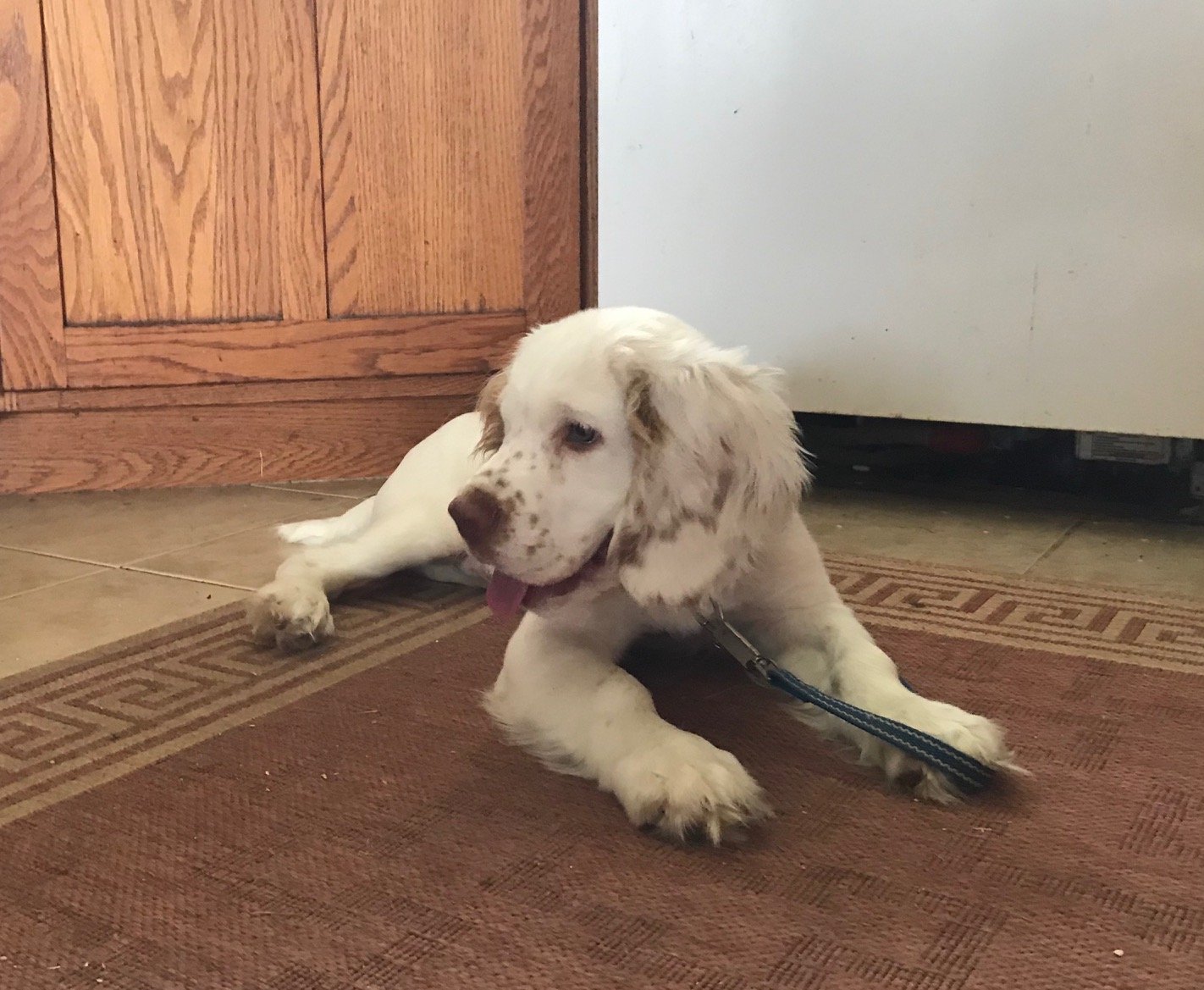
One of Caesar’s pups at sixteen weeks, showing the substance the Venaticus line is held to.
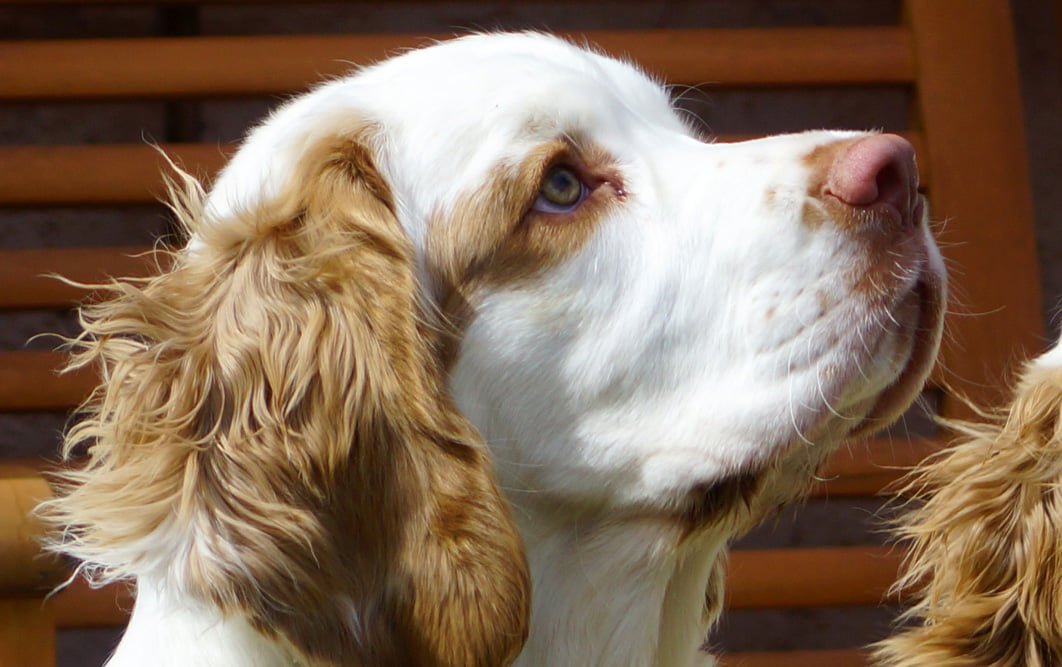
Six months old, in Bavaria — from one of the two German litters referred to above.
Health testing
Hips (BVA/KC): 5 / 6 — total 11. Elbows (BVA/KC): 0. Eyes: clear certificate 2018, clear again 2022. EIC (exercise-induced collapse): clear. PDP1 (pyruvate dehydrogenase phosphatase 1 deficiency): hereditary clear. These figures are published on the Working Clumber Spaniel Society stud register, which states that the health screening information on it is checked against Kennel Club and owners' records. The dog's Kennel Club profile is public, so a buyer can check the record rather than take our word for it. For context: laboratory estimates put the PDP1 carrier rate in Clumbers at roughly one in five. Caesar is hereditary clear of both PDP1 and EIC. Sources — Working Clumber Spaniel Society stud register: workingclumber.co.uk/team-4 · Venaticus kennel record, breeding and terms: venaticus.co.uk/venaticuskennel.html · Kennel Club profile for Venaticus Julius, linked from the Registration field above.
Shipping & logistics
Available to overseas bitches only — by natural mating in the United Kingdom, or by artificial insemination. Not available to UK bitches. This is the owner's decision, taken to avoid the overuse of a single dog in a breed that registered around 160 puppies in the UK last year. A quantity of frozen semen is held in storage at the veterinary practice in Wales that carried out the collection. Further collection can be arranged where there is demand. Terms are long-standing at Venaticus and unusual. No fee is charged for the mating itself. The fee is for the siring of a litter, so if no litter results there is nothing to pay. The full fee applies to a litter of four or more puppies surviving to seven weeks, and is reduced pro rata below that — two puppies, half fee; one puppy, quarter fee. It falls due at eight weeks, or when the first puppy is adopted. The amount is set by the breeder: whatever the breeder charges for a bitch puppy is the fee. First choice of puppy, after the breeder's own, may be asked instead.